
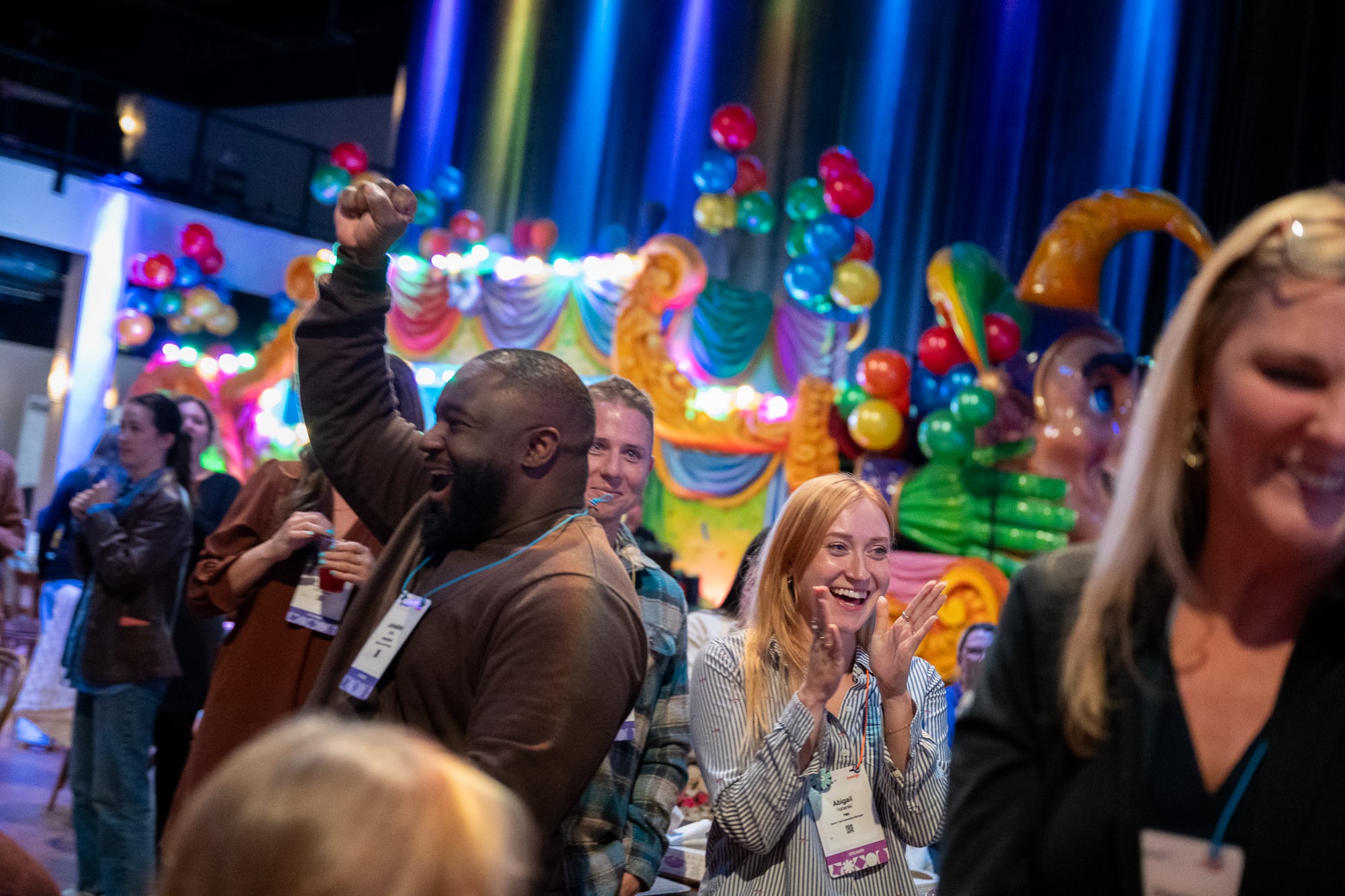

From the outside, a great event looks like ✨magic.✨
People show up. They’re excited. Everything flows. No one gets lost. The badge printers hum in perfect harmony. The keynote lands. The sponsors think you walk on water.
And everyone assumes it just…happened.
But we know the truth: It wasn’t magic. It was you.
It was the months of planning, the 10,000 micro-decisions, the 97 color-coded tabs, the backup plan for your backup plan, and that one moment where you could feel your soul leave your body because the AV team said, “We’re rebooting, it’ll only take a minute.”
(Scientifically speaking, event minutes are measured in dog years, by the way.)
That’s the real magic. Not glitter. Not illusions. Not luck. Just good systems, smart planning, and people who know exactly what they’re doing.
And that’s what this article is about: All of the hard work and the systems you create that make events feel like magic. Let’s get into it.
Where the event magic begins: Creative planning
(The part of the story where you become an event wizard.)
Remember when Harry Potter shows up to Hogwarts and assumes magic will just, well, magically happen? Like, he’ll flick a wand once and instantly be great at it?
Then reality hits: real magic actually requires learning, practicing, messing up, trying again, and putting in the reps. And sometimes a little luck.
EXACTLY.
Magic only looks like magic to muggles (your attendees) because they don’t know how much hard work you put into learning it, perfecting it, and making it happen.
Which brings us to the real starting point of every magical event:
1. A flexible strategy (and the tools to support it)
Rigid systems kill good ideas. Full stop.
If your tools forces you into one path, one layout, one workflow, one cookie-cutter agenda… congratulations, you’ve just turned your event into a beige corporate lunch!

In order to get creative and flexible with your strategy, though, you need the right software that will actually help make those ideas (and your amazing idea generation) possible. For instance, that looks like:
- Customizable event themes you can clone that help you move fast without locking you into someone else’s idea of what an event should look like.
- No-code layouts so you can test ideas in real time instead of waiting three weeks for a developer to free up.
- Flexible workflows that adapt to your event, not the other way around. Hybrid, multi-track, multi-location, multi-day? Bring it ON.
- Conditional logic and branching paths so you can easily build experiences that feel personal.
- Unlimited “what if?” space: What if we have attendees choose a learning path? What if we surprise VIPs with a private track? What if we build a skill-based mentoring experience? What if we redesign our entire flow and see what actually converts?
Rigid tools make you settle. Flexible tools make you invent.
2. Visibility and good data
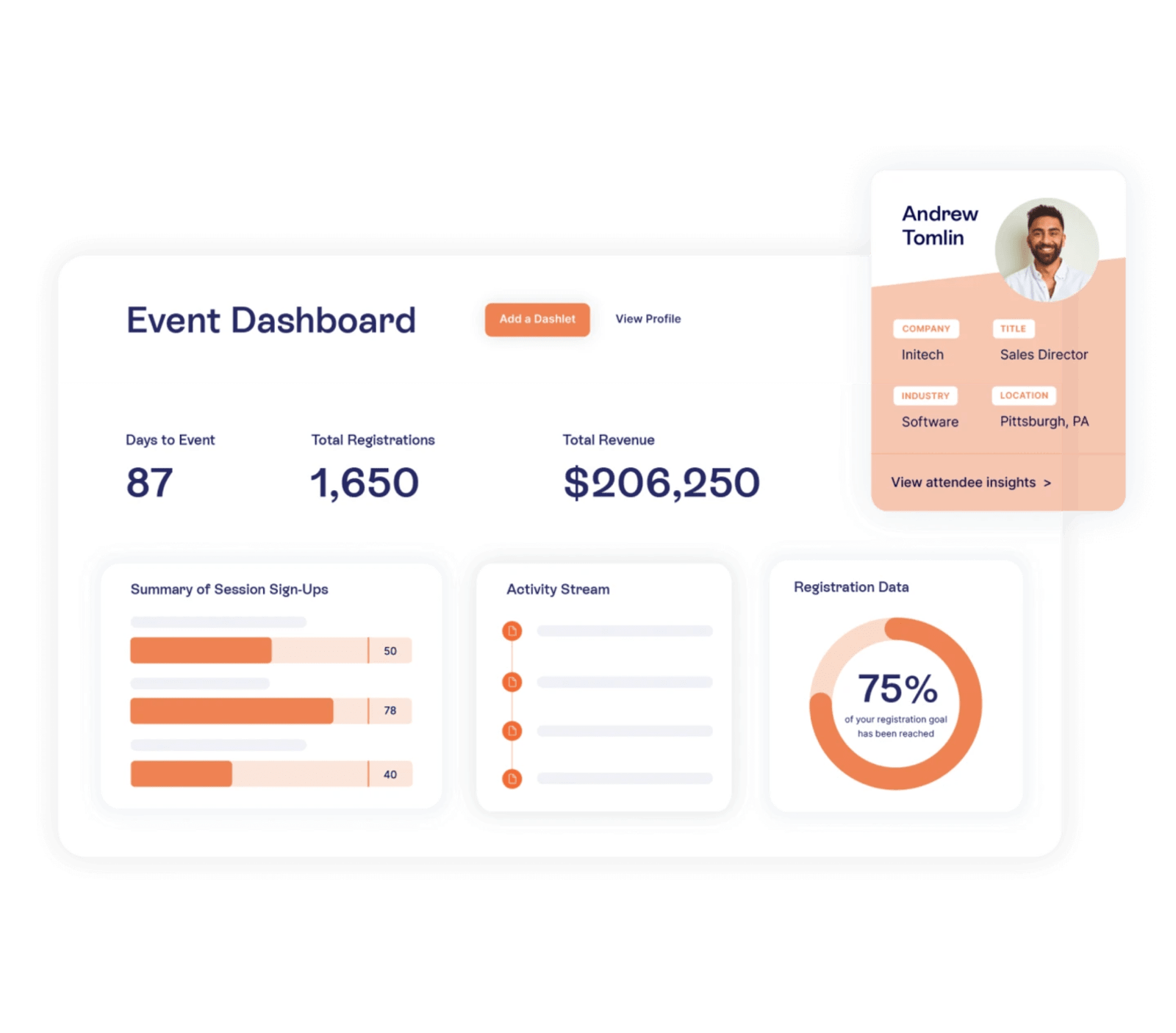
It’s hard to take creative risks when you’re in the dark about your own data.
And let’s be honest. Too many event decisions are made on vibes:
- “People seemed to like that session.”
- “I think the workshop was full?”
- “Marketing told me email was the best channel last time, so… sure?”
You need real event insights. When you can see what’s working (and what absolutely isn’t) you gain the confidence to make bold, creative choices without feeling like you’re lighting your budget on fire.
Invisible tech: The best magic trick you’ll never notice
(Because the best event tech is the kind no one talks about.)
Every event pro has lived this nightmare: you pull off something brilliant, something genuinely impressive, and what do attendees talk about?
The glitchy Wi-Fi.
The long wait time at check-in.
The registration form that made them want to do literally anything else.
When the tech works perfectly, it disappears. It feels like magic. When it doesn’t…well, suddenly everyone has notes.
But invisible tech doesn’t happen by accident. It happens by design. Below is a breakdown of the most important places where invisible tech matters and how to actually achieve it.
Registration that feels like a welcome, not a chore
Your event registration flow is the first impression, the front door, the handshake, the vibe check, and whatever other analogy you want to use.
And if it’s clunky, slow, or built like a labyrinth? People will straight up bounce.
To get people to actually finish registering:
- Make it mobile-first. If it doesn’t work on a phone, it doesn’t work.
- Remove unnecessary fields. If you don’t absolutely need it then and there, don’t ask for it.
- Use conditional logic. If a question isn’t relevant, hide that sucker.
- Let people autofill. If your form blocks browser autofill, you’re actively choosing violence.
- Use real language, not corporate riddles. “Job Function” means nothing. “What do you do?” means everything.
When registration feels smooth, attendees arrive already bought-in. When it doesn’t, they don’t make it past the form, let alone to your event. 😬
Check-in that doesn’t cause a riot
Check-in is where attendees decide, “Ah, yes, competent event,” or “I have made a grave and terrible error.”
✅ Great event check-in feels instant.
❌ Bad check-in feels like waiting in line for a roller coaster that turns out to be a bench.
So, how do you make check-in run like a dream?
- “Know Before You Go” emails that sneak smoothly into inboxes and actually tell people things
- Check-in app that makes everything smooth for both staff and attendees
- Self-check-in kiosks
- On-demand badge printing
- Offline mode for venues with “promise it works” Wi-Fi
- Real-time updates
- A help desk that’s visible (staffed by humans who care…and this time aren’t too swamped to show it)

When everything is synced and automated through your event registration software, attendees feel cared for, and you’re not left stress-crying in a bathroom stall, Moaning Myrtle style. Win-win.
Make it easy for guests to know what’s happening
Attendees want to do the right thing. They just need to know what the right thing is.
Make it easy with:
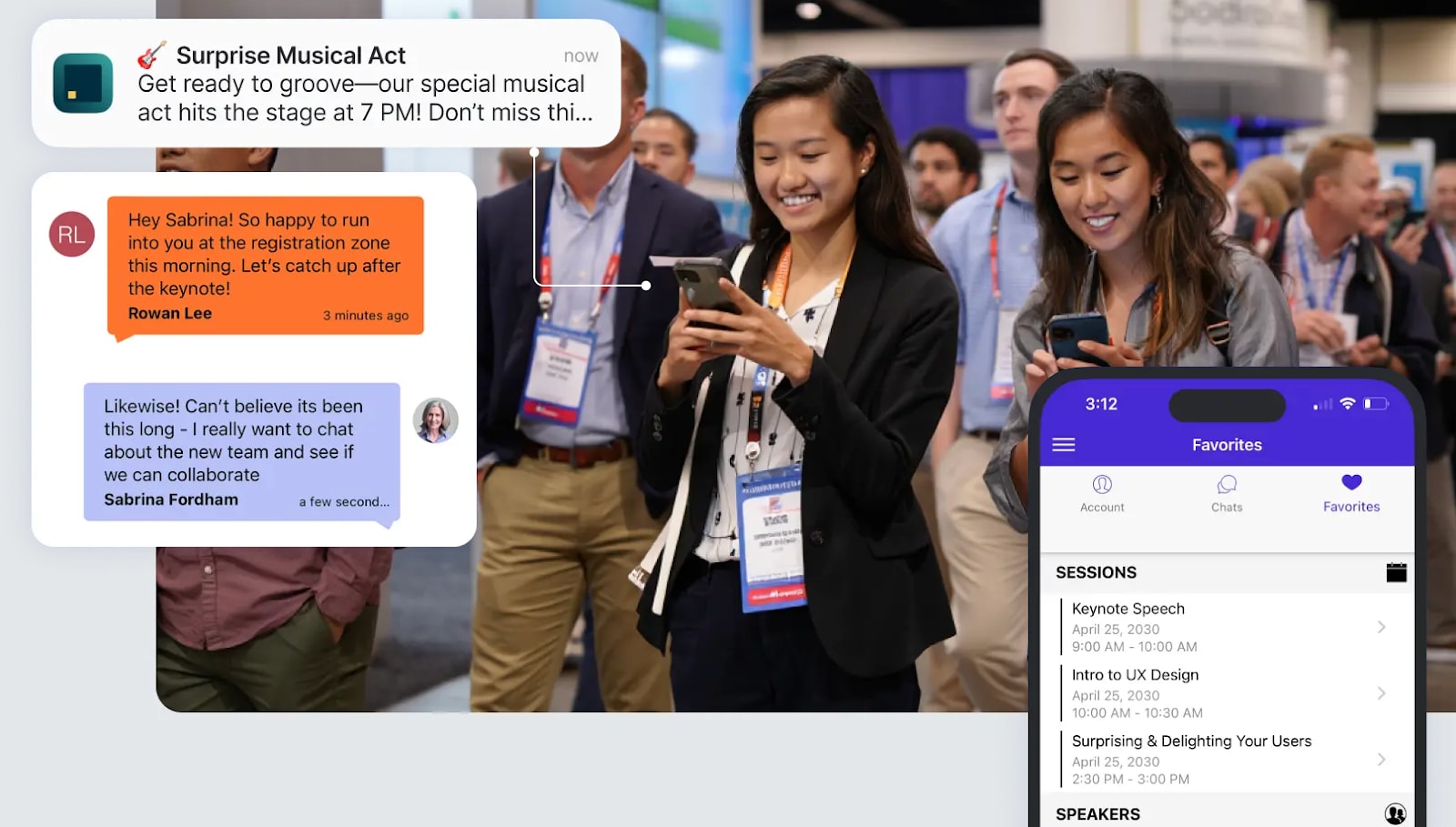
- A mobile event app
- Real-time updates
- Clear and visible signage
- Session reminders
- Agenda-at-a-glance
- Maps that aren’t designed by Apple 🤮
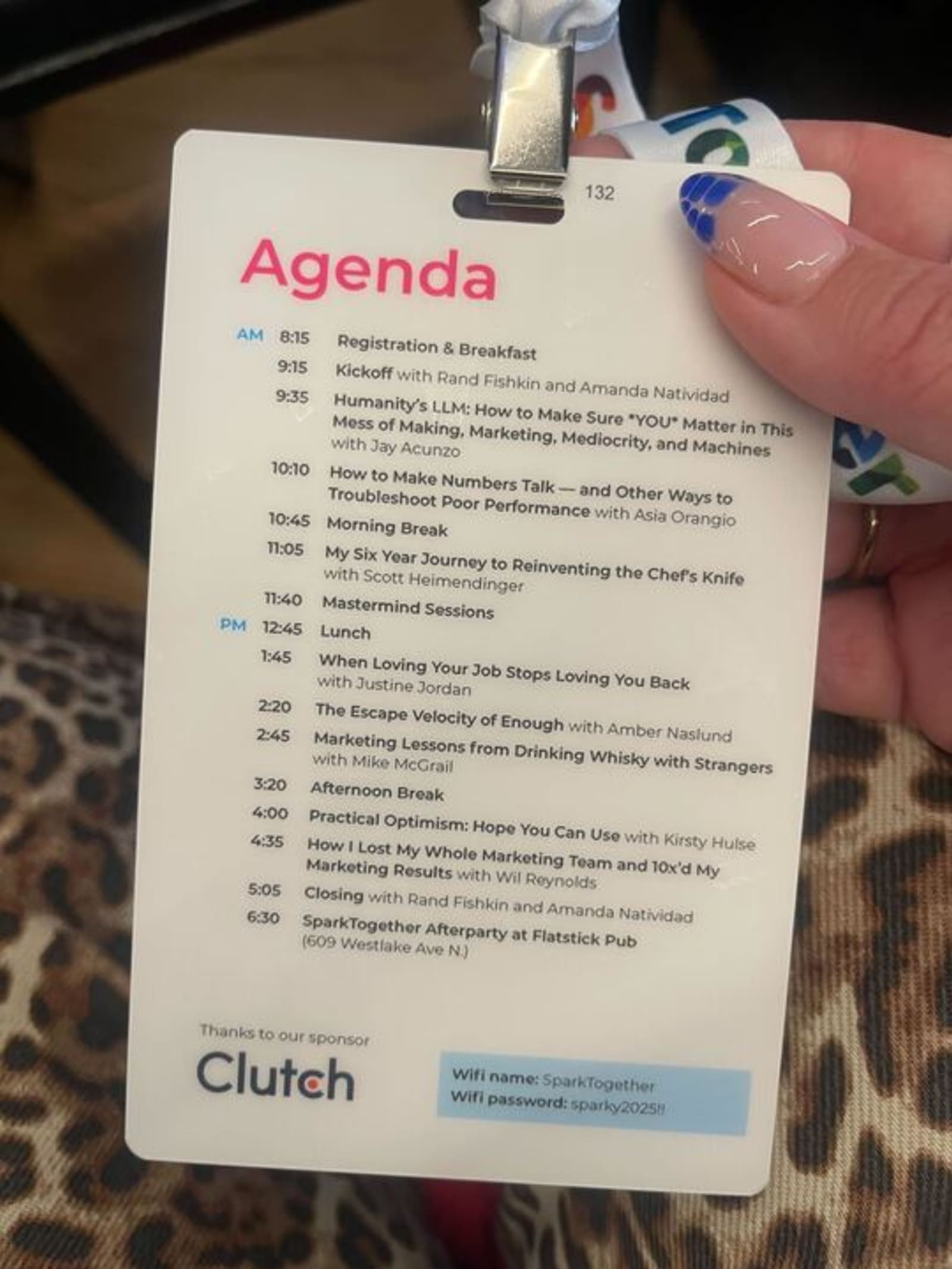
If it’s a one-day event, you can even print the whole agenda right on the badge. Anything you can do to make “what do I do next?” obvious, DO IT.
Automate the work that no one has time for
Event pros don’t burn out from the big things. They burn out from the tiny, repetitive, unnecessary tasks that pile up like laundry. The dirty kind, not the warm, fluffy pile.
Bottom line: if a task is repetitive, manual, or forces you into spreadsheet gymnastics? It deserves to be automated.
And, have no fear, automation doesn’t replace humans (yet 🤖). It replaces misery. It gives you back the hours you’ve been losing to:
- Event reminders you shouldn’t have to send
- Waitlists you shouldn’t have to manually monitor
- Session caps you shouldn’t have to enforce by hand
- Sales alerts you shouldn’t have to remember
- Surveys you shouldn’t have to chase
- Onsite updates you shouldn’t have to scramble to communicate
Community and connection: The most important magic of all
(The moment you rescue your attendees from middle-school-dance energy.)
Here’s the thing no dashboard can fully capture: the heart of an onsite event lives in its people.
It’s in the conversation that sparks a partnership.
The high-five between two attendees who met in line.
The moment someone finally meets their internet friend in real life.
The shared laugh in a breakout.
The mentor who gives the exact advice someone needed to hear.
The real magic isn’t the logistics, it’s the connection. But connection doesn’t happen by accident; it happens because you built an environment where people had the energy, clarity, and space to show up for each other.
1. Focus on the people, not just the programming
Every event has two layers:
- The agenda people see
- The human ecosystem underneath it
Most events only focus on the first layer.
Great events obsess over the second.
When you use your event registration data to understand who’s coming—their roles, interests, challenges, and goals—you can build experiences that don’t just allow connection, they practically guarantee it.
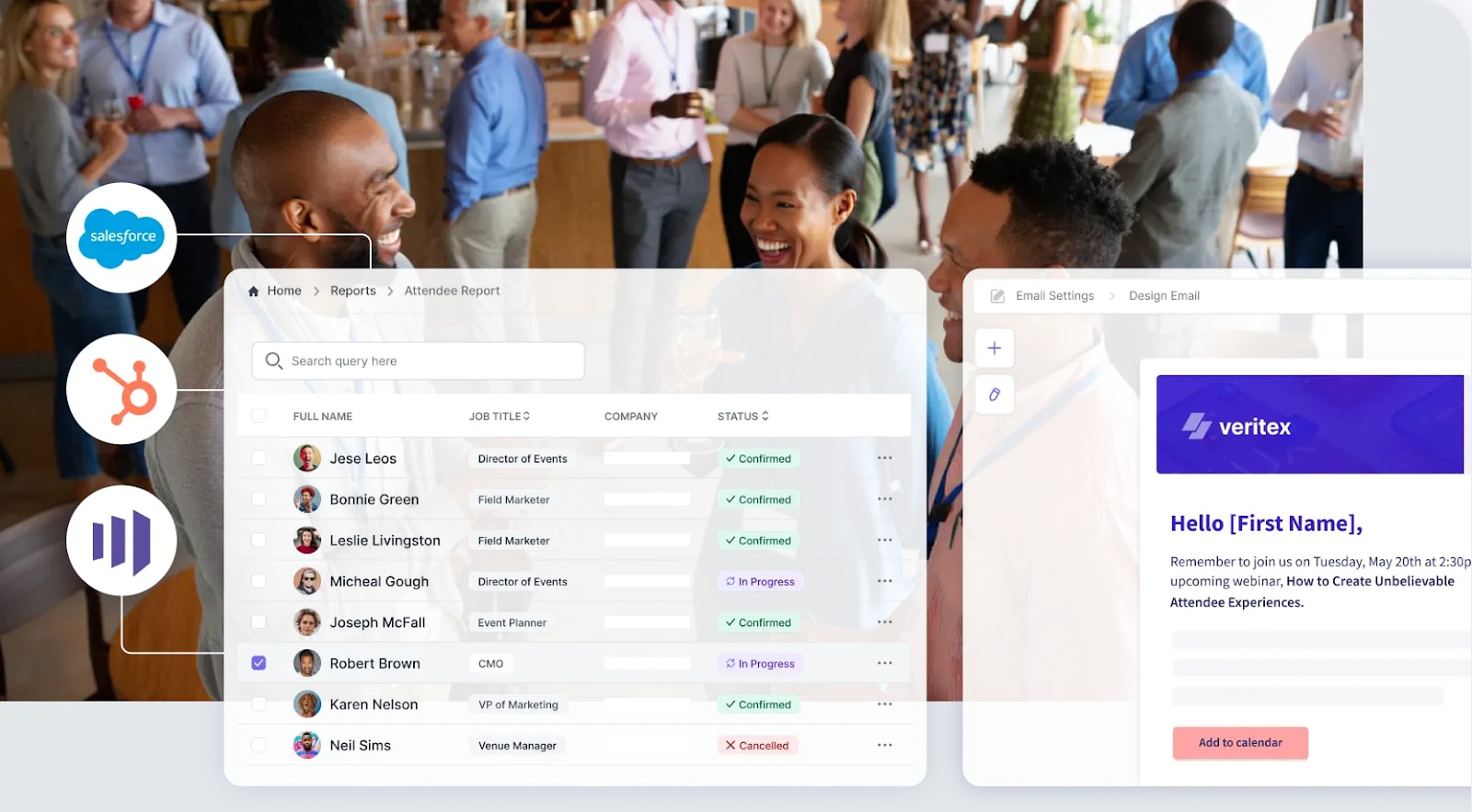
Imagine this:
- You know a cluster of product leaders are attending
- You know 60% of first-timers said “networking” is the #1 reason they registered
- You know 40% of your audience is technical
Suddenly, you're not just planning sessions; you’re planning collisions.
Data-backed networking isn’t about being creepy. It’s about being thoughtful. It’s about saying: “Hey, we actually see you. And we made something that fits you.”
And when the right people find each other easily, everything else in the event gets better.
2. Build networking that feels like a warm introduction, not a cold plunge
Now that you know who is coming, you can start planning the mingling.
And no, you can’t just throw people in a room together and scream “NETWORK!”
Think of it like hosting a dinner party. You set the table. You create the vibe. You give them something to talk about. Then you let the magic happen.
And by magic, we of course mean carefully thought-out and well-placed structure. Think:
- A mentor who gets automatically matched with a first-time attendee
- A set of roundtables designed around job roles
- A “find your flock” breakout, where people gravitate toward topics
- A skill-sharing corner where experts help learners level up
It’s networking that doesn’t make you want to gouge your eyes out. And yes, it’s not that common, it doesn’t happen to everyone, and it IS a big deal. 🫰
3. Hospitality is not fluff, it’s strategy
When people feel welcomed, supported, and seen, they open up. They participate. They connect. They remember.
Hospitality is:
- Clarity (clear signage, clear agenda, clear directions)
- Comfort (food, lighting, and seating that can support humans being humans for hours at a time)
- Tone (warmth always beats formality)
- Vibe (the intangible energy that makes people want to stay, explore, and connect)
Yep, CCTV. We’re watching you. 👀
The more welcomed people feel, the more willing they are to lean in, talk to strangers, and build relationships they’ll think about long after your event ends.
When your systems are strong, your attendees can feel the magic
Events are stressful AF. We get it. It’s literally our entire world.
But they don’t have to take five years off your life.
Event magic isn’t about illusions.
It’s about infrastructure.
It’s about the teams that make the hard work look effortless.
It’s about giving event leaders the tools they need to build experiences that feel seamless, personal, and unforgettable.
Swoogo exists to support the people behind the magic: the strategic thinkers, the creative planners, the detail-obsessed operators, the unsung heroes running the show backstage.
You imagine it.
You plan it.
You build it.
You bring the people together.
We’re just here to empower you, quietly, from the wings.

Because when everything works—when your systems are strong and your workflows are clean—the whole event feels like a little bit of magic.
And the best part? You made it happen. 🪄
READ NEXT