

Events don’t get a free pass. If you want people to show up (and stay engaged), you have to deliver an experience worth their time—especially in financial services, where audiences are busy, skeptical, and spoiled for choice.
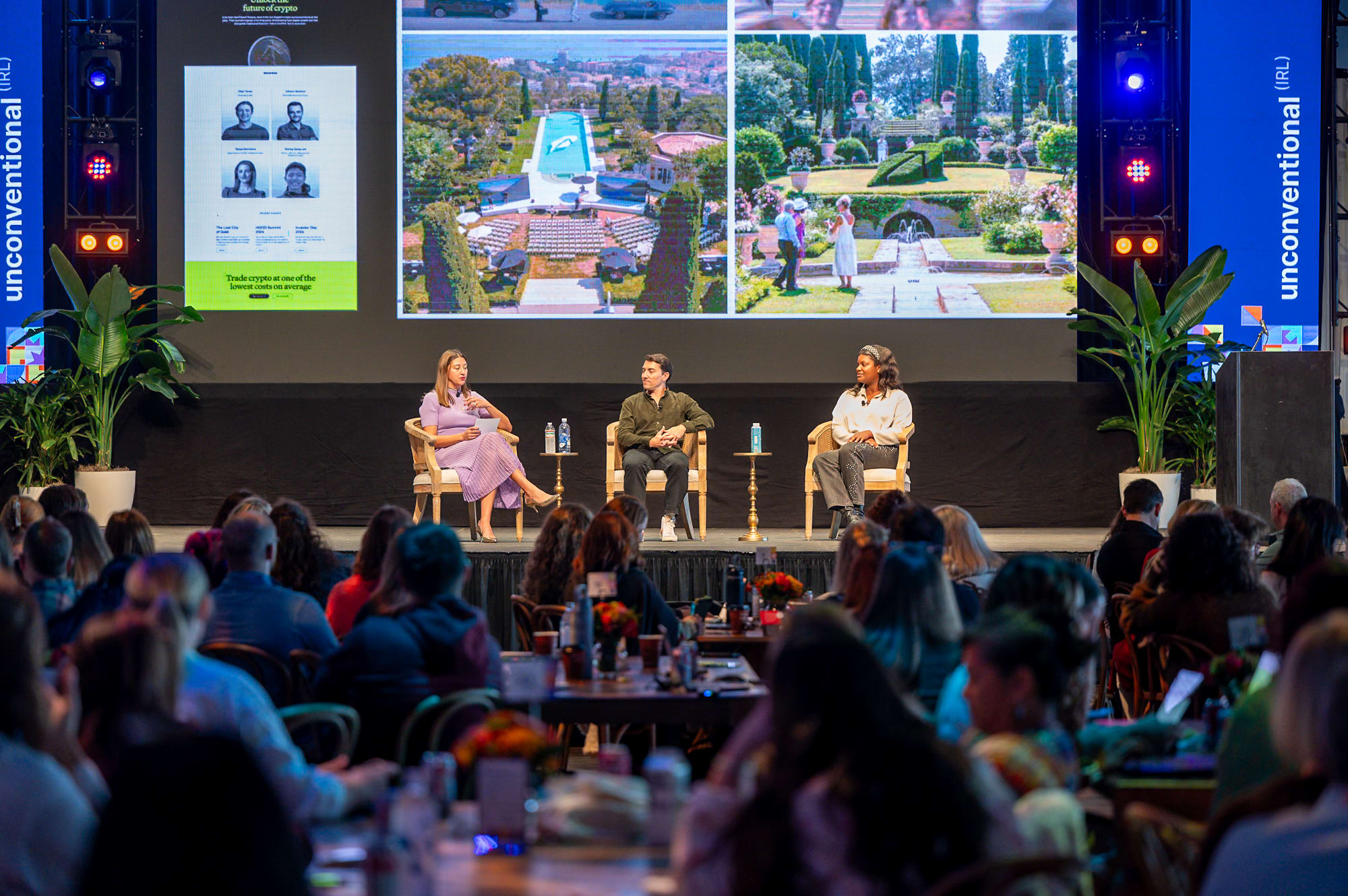
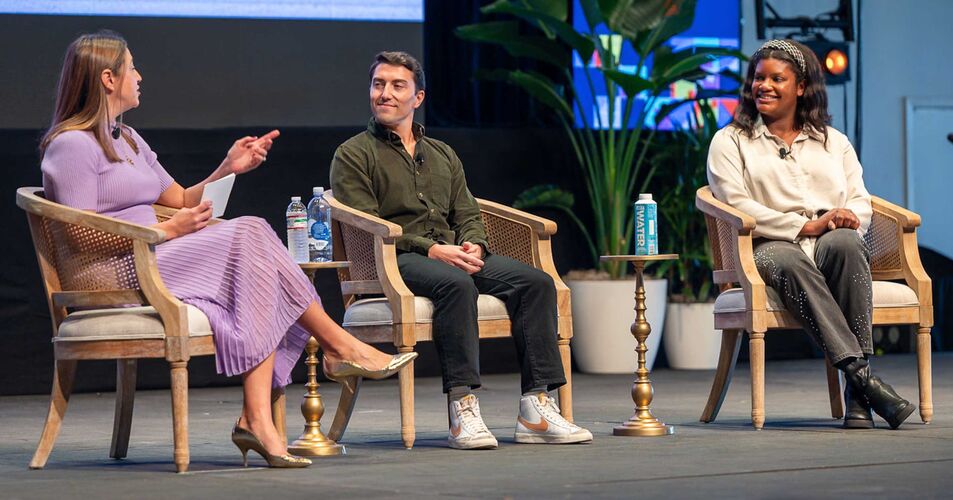
At Swoogo’s user conference, Unconventional (IRL) 2025, Kellie Mayrides of Event Strategy Group sat down with Mark Wynohradnyk, Senior Brand Manager/Events Lead at Robinhood, and Jordan Lacey, Project Manager for Tech Events and Conferences at Capital One, to unpack how two financial brands are rethinking attendee experiences from the ground up.
The big idea: stop event catfishing. If your marketing is bold, your event better be too.
Here’s what they shared, and how other financial services (finserv) and banking orgs can apply it immediately.
Watch the session for the full scoop 👀:
1. Start with strategy, then build the world
At Robinhood, events aren’t treated like “nice-to-haves.”
Mark said it plainly:

“Events aren’t just a side project for us. They really are something just as important as a media campaign or a product launch.”Mark Wynohradnyk, Senior Brand Manager, Robinhood
That mindset sets the tone and direction for everything else. Instead of picking a theme and filling a ballroom, they build a cohesive story across:
- Venue
- Pre-event communications
- On-site content
- Activities and experiences
For their crypto launch, they leaned into the “mystery” theme from the name (To Catch a Token) to the cinematic keynote reveal. For their Active Trader event at the Formula 1 Grand Prix Plaza, everything centered on speed, because the products being launched were tied to speed. All of this is about strategic alignment.
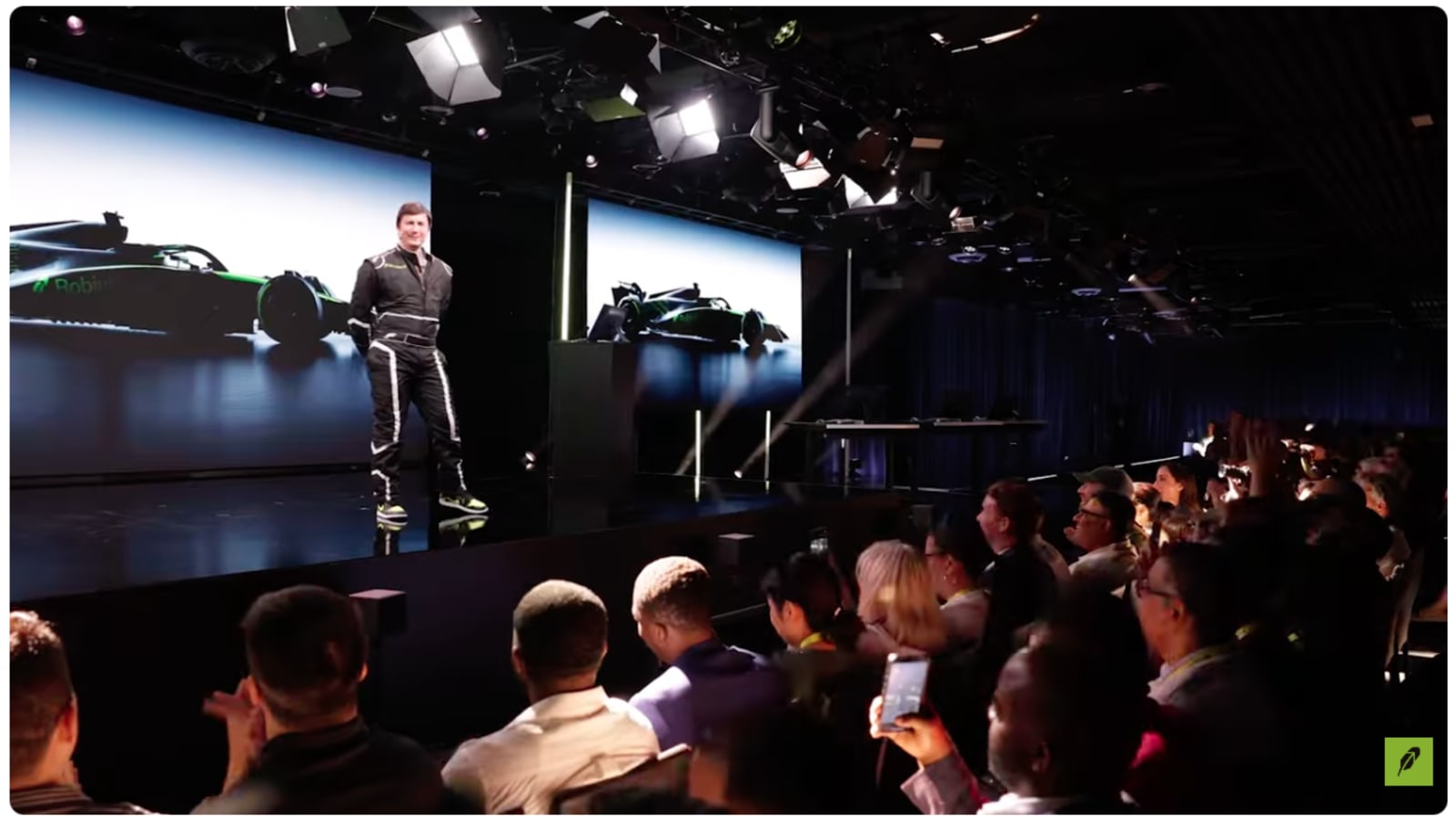
“From the very beginning, we’re treating an event as a manifestation of the brand.”Mark Wynohradnyk, Senior Brand Manager, Robinhood
What finserv, banking, or really any events team should do:
- Tie your brand story into the event agenda. What’s the emotional arc? What’s the tension? What’s the payoff?
- Choose venues strategically. Your location should reinforce your message. If your theme has to do with innovation, maybe say no to the beige ballroom.
- Create a through-line from your email subject lines to your CEO walk-on moment. Tie these moments together in your narrative.
- Turn product announcements into experiences. Build anticipation in marketing, and deliver the reveal live.
Financial brands often default to “safe.” Safe is…fine. Safe is, frankly, forgettable. Strategy-first storytelling is what drives memorableness.
2. Sweat the small stuff (because attendees do)
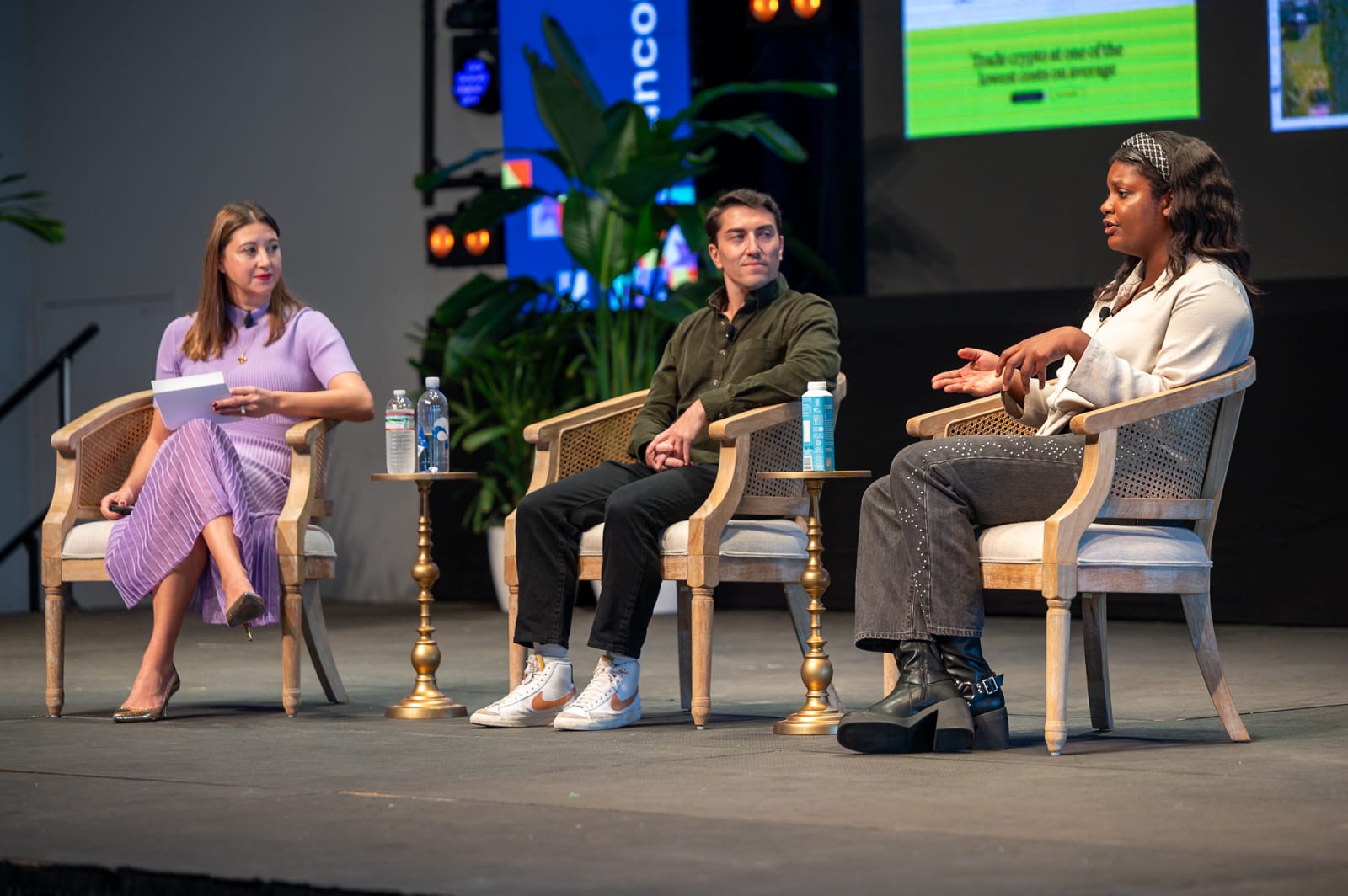
Jordan of Capital One shared a deceptively simple move that separates good from great. Never consider the small things, small.
For example, if Capital One runs out of swag onsite, they don’t apologize and move on. They generate a QR code, build a microsite, and drop-ship the item to attendees’ homes.
“Such a small little touch on our side, but that’s allowed us to have a 95% net promoter score.”Jordan Lacey, Project Manager for Tech Events and Conferences, Capital One
And don’t get us started on how much the NPS score is a game-changer for events, as it helps you quantify those fuzzy attendee feelings that translate directly into event and business results.
Well, okay fine. If you twist our arm…

READ NEXT
What finserv, banking, or really any events team should do:
- Plan for recovery moments in advance. What happens if you run out? If a line forms? If a session fills?
- Make operational excellence your differentiator. In financial services, for instance, your brand promise is competence. Your event should feel airtight.
- Follow up like a human. A handwritten note or thoughtful post-event touchpoint builds more loyalty than flashy décor ever will.
3. Meet your audience where they actually are
Capital One had a wake-up moment when attendees at tech events asked: “What is Capital One doing here?”
Instead of ignoring it, they leaned into this as an audience insight and turned it into a moment for their brand to tell a story around how they want to reach their people. They showed up at NVIDIA GTC, Afrotech, Lesbians Who Tech, ICML, NeurIPS…not just the traditional finance conferences.
“We’re going where the tech leaders are because we needed to find our customers and meet them where they’re at.”Jordan Lacey, Project Manager for Tech Events and Conferences, Capital One
Robinhood takes a similarly sharp approach. Each event is tied to a specific audience (e.g., crypto users, active traders, gold subscribers), with programming, demos, and even seating tailored accordingly.
“Each of our events is really focused on a specific audience.”Mark Wynohradnyk, Senior Brand Manager, Robinhood
What finserv, banking, or really any events team should do:
- Segment aggressively and specifically. For example, don’t just design for “financial professionals.” Who exactly are they?
- Audit your event calendar. Are you attending shows because they’re legacy staples, or because your audience is there?
- Clarify your right-to-play. If attendees don’t understand why you’re there, your presence feels opportunistic.
4. Lean into your engagement data
For Robinhood, keynotes are about participation. From live polling inside the app to applause meters in the room, they’ve turned passive viewers into active participants across in-person and livestream audiences.
“We actually did live polling in-app that people could respond to in the room and remotely via the livestream. ... We had something like 50,000-plus people responding.”Mark Wynohradnyk, Senior Brand Manager, Robinhood
Meanwhile, Jordan spoke to what Gen Z expects:
- Shorter keynotes
- Live Q&A
- Social-ready recap kits
- Options for private or anonymous interaction
“We’re seeing a lot more students. ... [We're] designing events with shorter keynotes … and live Q&A where attendees can come up privately.”Jordan Lacey, Project Manager for Tech Events and Conferences, Capital One
What finserv, banking, or really any events team should do:
- Design engagement into your content, not after it. Polls, prompts, audience choice moments.
- Offer multiple participation pathways, like mic in the aisle or anonymous app Q&A.
- Build hybrid intentionally. Remote attendees should feel like participants, not spectators.
5. CSR is an expectation
Jordan, who founded a nonprofit at 17, brought a generational lens to the conversation. Gen Z is bringing personal brands and purpose into the workplace.
“We are coming forward with those brands,” she says. “That personal brand is always really strong.”
And that translates to events. CSR can’t just be a logo on a slide; it has to be participatory.
Some of the ideas shared:
- Packing care kits instead of giving more swag
- Holiday drives onsite
- Letting attendees vote on carbon offset initiatives
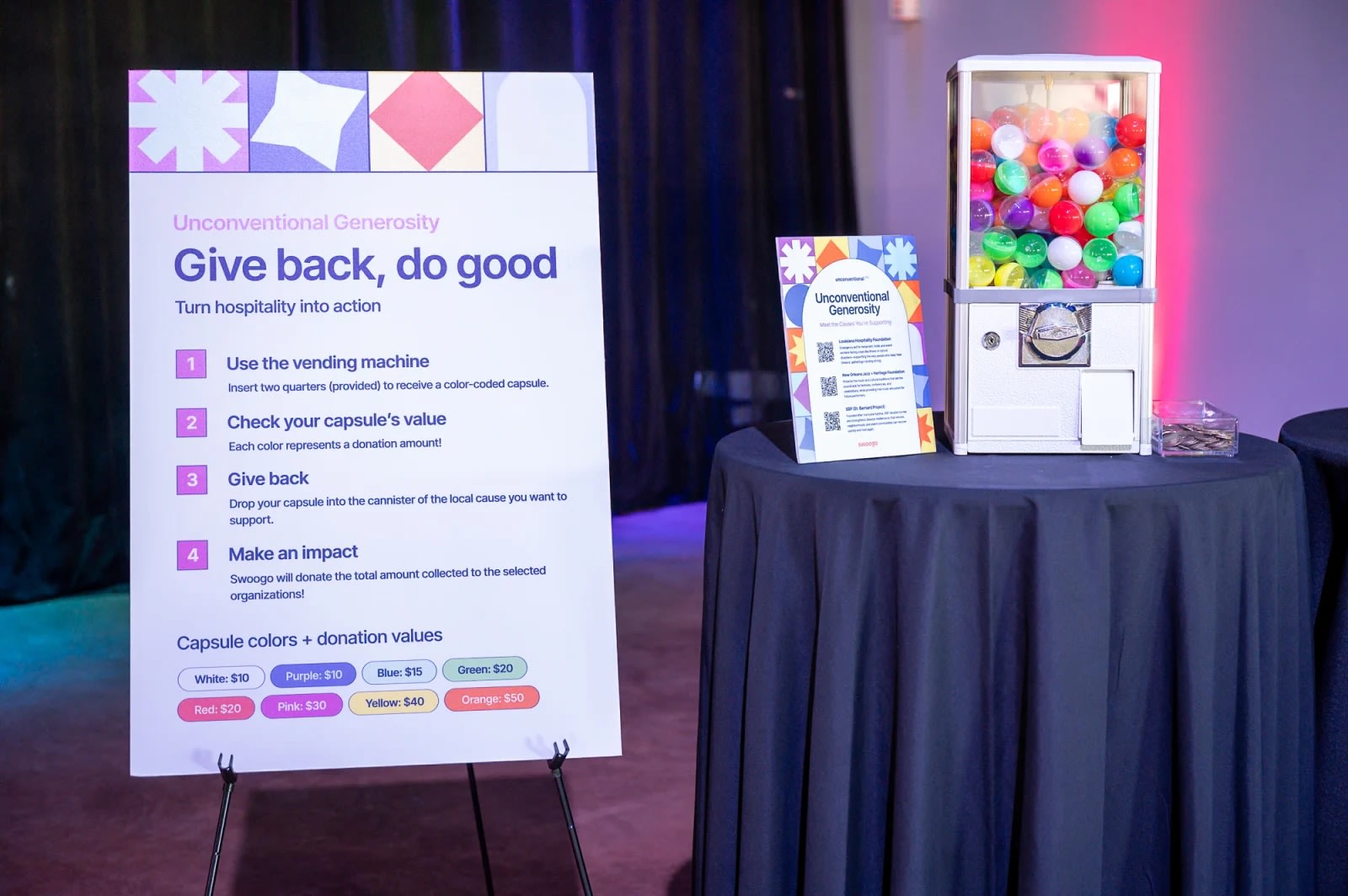
Or steal one of our creative event ideas: at Uncon 2025, we created an interactive vending machine where attendees dropped in quarters (provided by us) to get a capsule with a certain dollar amount inside. Then they chose 1 of 3 of our local nonprofit partners to donate it to. We matched every donation.
What finserv, banking, or really any events team should do:
- Make CSR interactive. Give attendees something meaningful to do.
- Tie the cause to your brand values. If trust and community are your pillars, prove it.
- Show leadership buy-in. CSR feels authentic when executives show up for it.
READ NEXT
6. Measure what actually matters
Measurement is the hot topic everywhere, and Robinhood is deep in it. Mark shared their dual focus on a) attendee goals, and b) livestream goals.
Beyond that, they’re analyzing:
- Email open and click-through rates
- Social performance
- Website engagement
- Press hits
- Onsite survey data
- Product adoption and retention post-event
And they’re digging into the hardest question of all: Do they adopt our products more readily than people who don’t? Do they remain customers longer?
Focus on the KPIs that can move your events from a brand play to a business engine.
What finserv, banking, or really any events team should do:
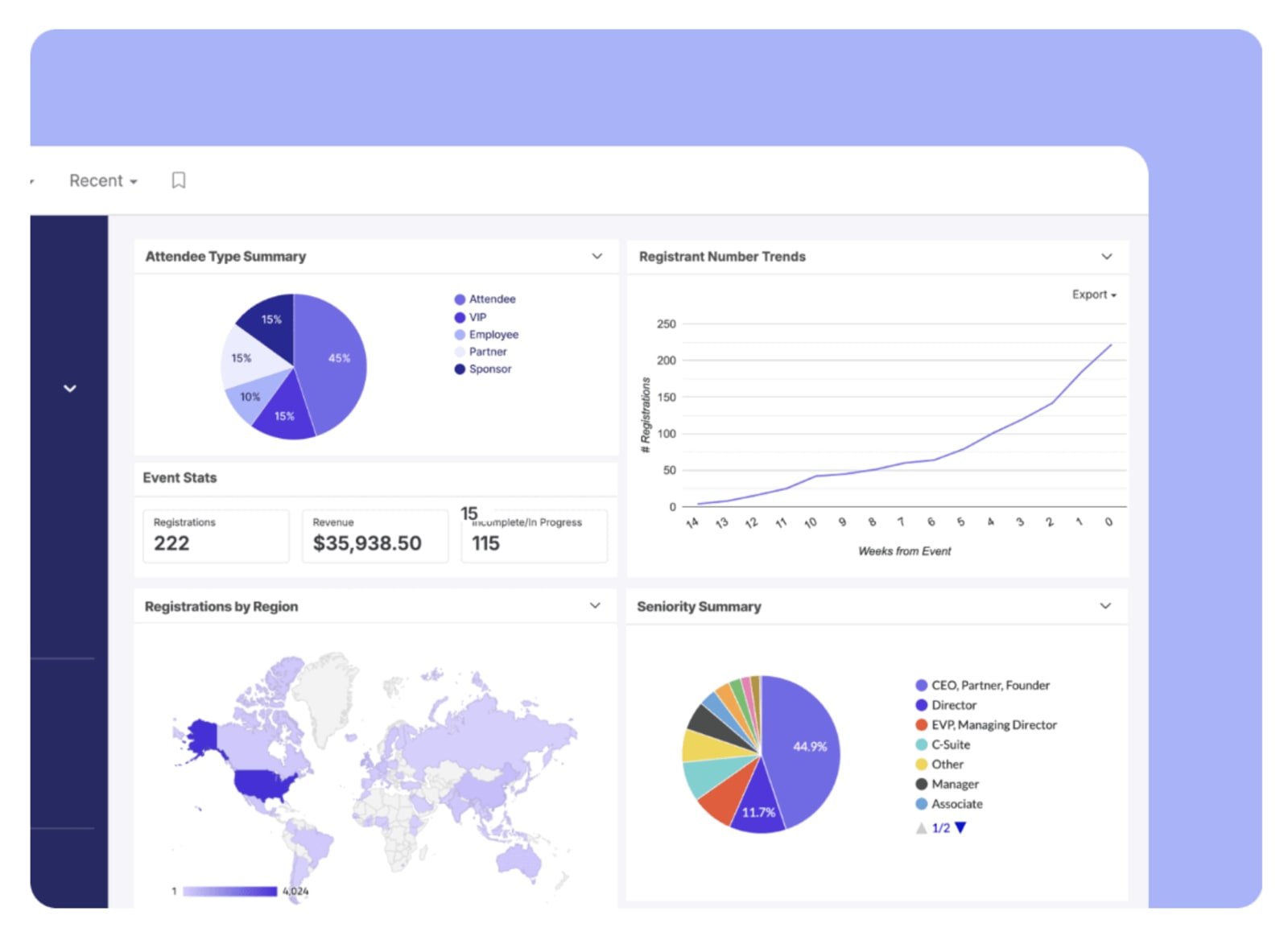
- Partner proactively with sales, marketing, operations, and customer success to ensure your event goals are tied to business metrics, and can be successfully tracked and attributed.
- Use your CRM to automatically track leads, pipeline influence, customer growth, and retention goals before and after your event.
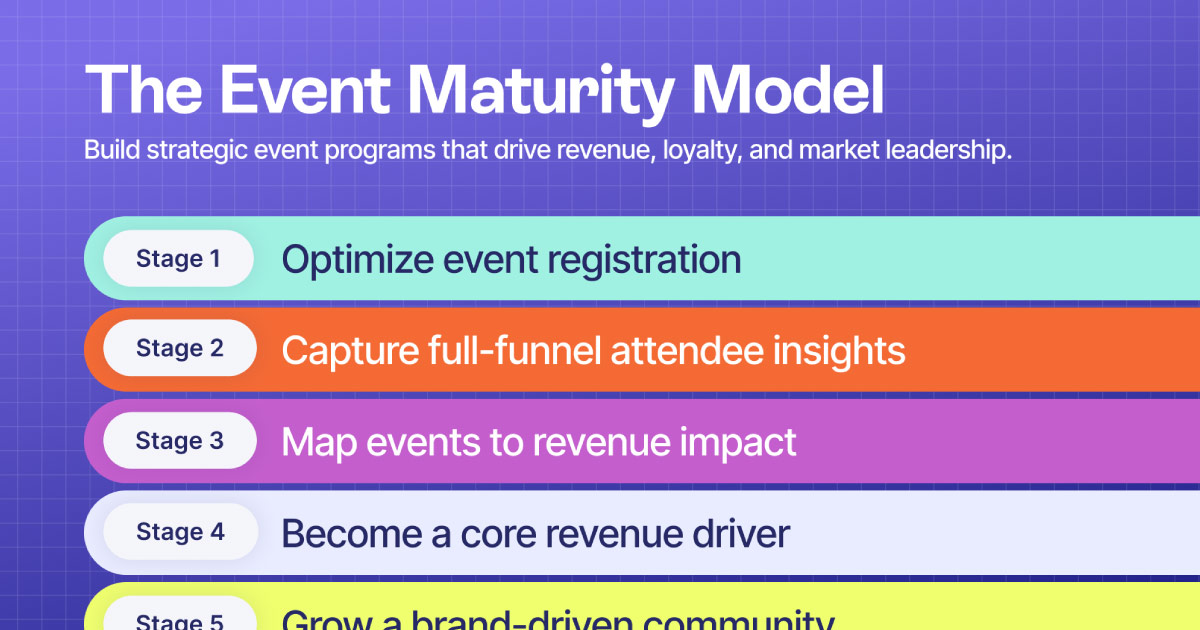
Learn more about what your events team should measure (and how to collaborate cross-functionally to get what you need) using our framework, The Event Maturity Model.
READ NEXT
7. Look outside your industry for inspiration
Robinhood doesn’t just watch fintech competitors.
“We’re really looking at what’s happening in culture in general… sports teams, TV, film, art, music… what’s happening at things like Coachella, NBA All-Star Weekend.”Mark Wynohradnyk, Senior Brand Manager, Robinhood
Look beyond the walls of your industry so you can tie into cultural moments, the zeitgeist.
What finserv, banking, or really any events team should do:
- Study cultural activations outside your industry.
- Borrow formats, not just aesthetics.
- Workshop ideas with people outside your bubble.
Level up your attendee experience
With the right strategy, you can create experiences that drive both emotion and measurable impact. As Mark said, they don’t want to be just another finance event.
Neither should you.
Watch the full Uncon session on-demand, “The Art of the Possible: Redefining the Attendee Experience with Robinhood & Capital One,” to hear more insights and start redefining what’s possible for your own events.
WATCH NOW